


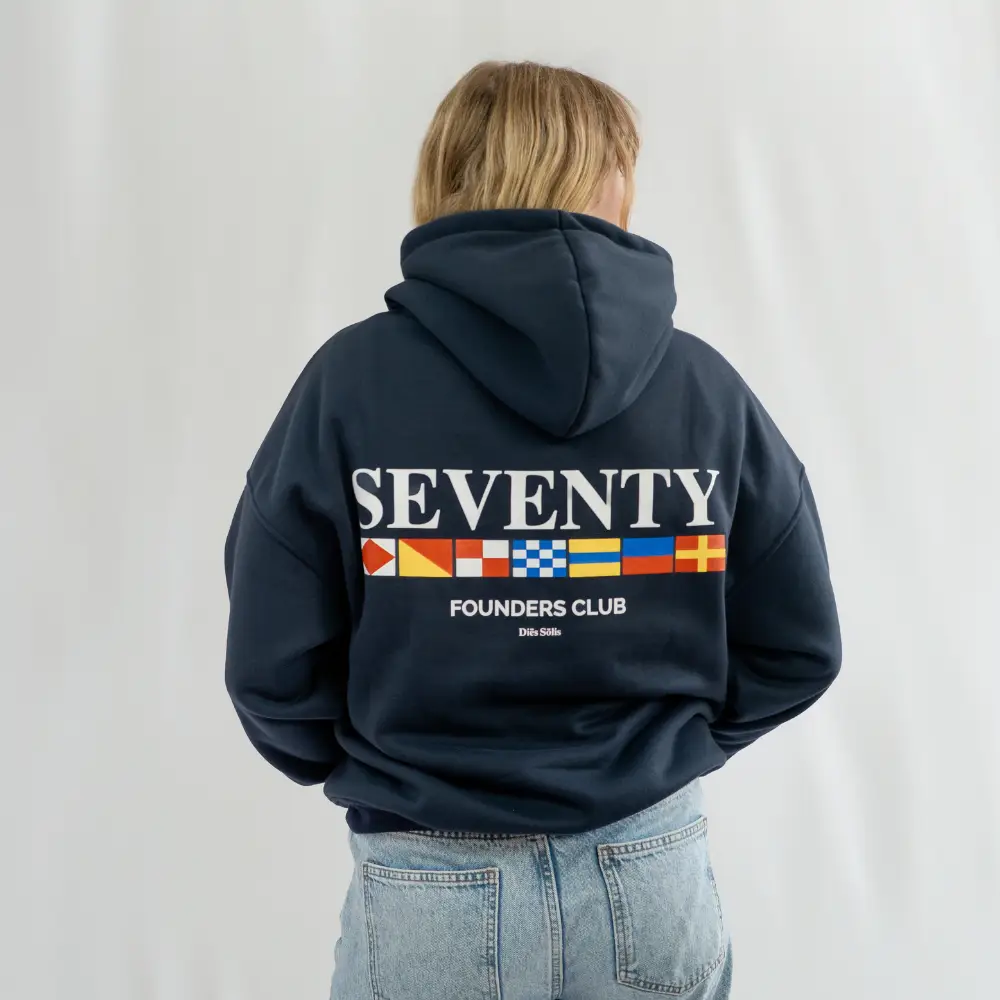
Your logo is on the website, the van, the shop sign, the polo shirts and the business cards. But look closely and they might not match. The green on the shirts is a bit darker, the sign uses an old version of the logo, and the cards have a font nobody remembers choosing. That’s a brand consistency problem, and it’s very common.
It usually happens gradually. Each item was ordered at a different time from a different supplier, and each one was a little bit off. Here’s how to bring it all back into line.
Why brand consistency matters for a small business
People decide whether to trust a business quickly, often before they’ve spoken to anyone. When everything they see looks like it belongs together, the business feels established and organised.
When things don’t match, it sends a mixed message. Customers may not consciously notice that the blue is different, but they pick up that something is slightly off. For a tradie, a clinic or a café, that first impression can be the difference between a call and a scroll past.
It also helps people remember you. If your colours and logo look the same on the ute, the sign and the Google listing, each sighting reinforces the last one.
Start with the source files
Most brand consistency problems come from someone working off the wrong file. A uniform supplier gets a screenshot. A sign writer redraws the logo from a photo. A printer guesses the colour.
The fix is to have one proper set of files and send them to everyone:
- Vector files (SVG and EPS) for signage, vehicle wraps, embroidery and large print.
- PNG with a transparent background for placing your logo over photos or coloured backgrounds.
- JPEG for everyday documents and emails.
- Colour codes written down: HEX for screens, CMYK for print and Pantone where your supplier uses it.
If you don’t have these, that’s the first thing to sort out. Our logo and branding service includes final PNG, JPEG, SVG and EPS files as standard. And if your logo is going on everything you own, it may be worth protecting. IP Australia’s trade mark information explains the basics.
Business cards and printed material
Printed colours never look exactly like they do on screen, which is why CMYK codes matter. Ask your printer for a proof before a big run, and compare it against something you’ve printed before.
Keep the layout simple and the same across cards, flyers, quotes and invoices. Use the same logo version, the same fonts and the same placement for contact details. A quote that looks like it came from the same business as the website is a small thing that adds to trust.
Check the small print as well. Phone numbers, email addresses and web addresses should be identical everywhere. If you’ve changed your number or moved to a business email address, old cards and flyers in a drawer can keep sending people to the wrong place. When something changes, update every template at once rather than as each item runs out.
Signage, vehicles and uniforms
Signs and vehicle wraps
Signs and vehicle wraps are big, expensive and they last for years. That’s exactly why they need the right files.
- Always supply a vector file. A JPEG blown up to sign size will look fuzzy.
- Check the logo still reads from a distance. Fine details and thin fonts can disappear.
- Think about the background. A reversed (white) version of your logo may work better on a dark van.
- Ask for a mock-up before anything is printed or applied.
Uniforms and embroidery
Uniforms are where brands drift the most. Embroidery thread only comes in set colours, so the supplier picks the closest match. Over a few orders from a few suppliers, those small differences add up.
- Have a simplified, single-colour version of your logo for embroidery. Fine lines and small text don’t stitch well.
- Note the thread colours used on your first order, and ask for the same ones next time.
- Pick a standard garment colour and stick with it, so staff look like one team.
Don’t forget online
Your website, Google Business Profile, Facebook and Instagram are often the first places people see you. They should match your signage and shirts, not look like a different business.
Use the same logo, colours and tone everywhere. Our digital setup service gets your Google and social profiles set up and connected to your website so they all line up.
Real photos of your team in uniform, in front of your sign, tie it all together. That’s something Bella does through our brand photography, so your website shows the same people and places customers will meet in person. We explain why matching your brand and website matters in why your logo and website should come from the same team.
Keeping it on track
Once everything matches, a few habits keep it that way:
- Keep a short style guide with your logo files, colour codes and fonts in one shared folder.
- Send it to every new supplier before they start, not after the first order goes wrong.
- Check new items against the guide before you sign off on them.
- When you replace something, replace it with the current version, not a copy of the old one.
Do that, and brand consistency stops being a chore. It just becomes how things are done.
Want a second opinion on your brand?
If your website, signs and shirts don’t quite match, we’re happy to take a look and tell you what’s worth fixing first. Book a free consultation or a free website health check. Call us on 02 6610 9202, Monday to Friday, 9:30am to 4:30pm.